
The 20s are a powerful decade for women. It is a time of growth, independence, career building, and lifestyle changes. During this phase, the body develops habits that often shape long-term health. Choosing the right vitamins for female in 20s can support energy levels, hormonal balance, mental clarity, skin health, and future well-being.
Although many young women feel healthy, nutrient gaps are common due to stress, busy schedules, dieting trends, and inconsistent eating habits. Vitamins play a quiet but vital role behind the scenes. They help the body function smoothly, even when life feels chaotic.
This guide explains which vitamins matter most, why they are important, and how women in their 20s can include them safely and effectively.
Why Nutrition Matters in Your 20s
In your 20s, your metabolism is usually strong, but your lifestyle may not always support it. Long work hours, social commitments, lack of sleep, and fast food can slowly drain essential nutrients.
At this stage, the body focuses on:
-
Building bone density
-
Regulating hormones
-
Supporting brain function
-
Maintaining healthy skin and hair
-
Strengthening immunity
Getting the right vitamins early helps prevent future problems rather than fixing them later.
Essential Vitamins for Female in 20s
Vitamin D for Bone Strength and Immunity
Vitamin D is one of the most important vitamins for female in 20s. It helps the body absorb calcium, which supports strong bones and teeth. Since bone density peaks in the late 20s, this vitamin is critical now.
Low vitamin D levels are common, especially for women who work indoors or live in colder climates. Deficiency may lead to fatigue, weak immunity, and bone issues over time.
Natural sources include sunlight, fatty fish, egg yolks, and fortified dairy products. Supplements may help when sunlight exposure is limited.
Vitamin B Complex for Energy and Brain Health
B vitamins support metabolism, nerve function, and mental focus. They help convert food into energy and reduce tiredness.
Key B vitamins include:
-
B12 for red blood cell formation
-
B6 for mood regulation
-
Folate for cell growth and reproductive health
Women in their 20s often experience stress and mental pressure. B vitamins support the nervous system and help manage daily demands more effectively.
Vitamin C for Skin and Immunity
Vitamin C is well known for immune support, but it also plays a major role in collagen production. This makes it essential for healthy, glowing skin.
It helps protect the skin from environmental damage and supports wound healing. For women concerned about early signs of aging or dull skin, vitamin C is especially helpful.
Fruits like oranges, strawberries, kiwi, and vegetables such as bell peppers are excellent sources.
Vitamin E for Skin and Hormonal Balance
Vitamin E acts as an antioxidant. It protects cells from damage and supports skin health. It may also help reduce symptoms related to hormonal fluctuations.
This vitamin supports healthy hair and nails and works well alongside vitamin C for skin protection. Nuts, seeds, and plant oils are rich sources of vitamin E.
Vitamin A for Vision and Skin Renewal
Vitamin A supports vision, immune function, and skin cell renewal. It helps maintain smooth skin and supports the body’s natural repair process.
However, balance is important. Too much vitamin A from supplements can be harmful. It is best obtained through foods like carrots, sweet potatoes, and leafy greens.
Key Minerals That Work with Vitamins
Iron for Energy and Blood Health
Iron is essential for oxygen transport in the blood. Many women in their 20s experience iron deficiency due to menstruation.
Low iron levels may cause fatigue, weakness, and poor concentration. Including iron-rich foods like lentils, spinach, and lean meats can help maintain healthy levels.
Iron works best when paired with vitamin C, which improves absorption.
Calcium for Strong Bones
Calcium builds strong bones and teeth. Since bone density development is critical in the 20s, adequate calcium intake is essential.
Dairy products, fortified plant milks, and leafy greens are good sources. Vitamin D helps the body absorb calcium effectively.
Magnesium for Stress and Muscle Health
Magnesium supports muscle function, relaxation, and sleep quality. It also helps regulate stress and supports hormonal balance.
Many women do not get enough magnesium from their diet. Whole grains, nuts, seeds, and dark chocolate are natural sources.
Multivitamins for Female in 20s
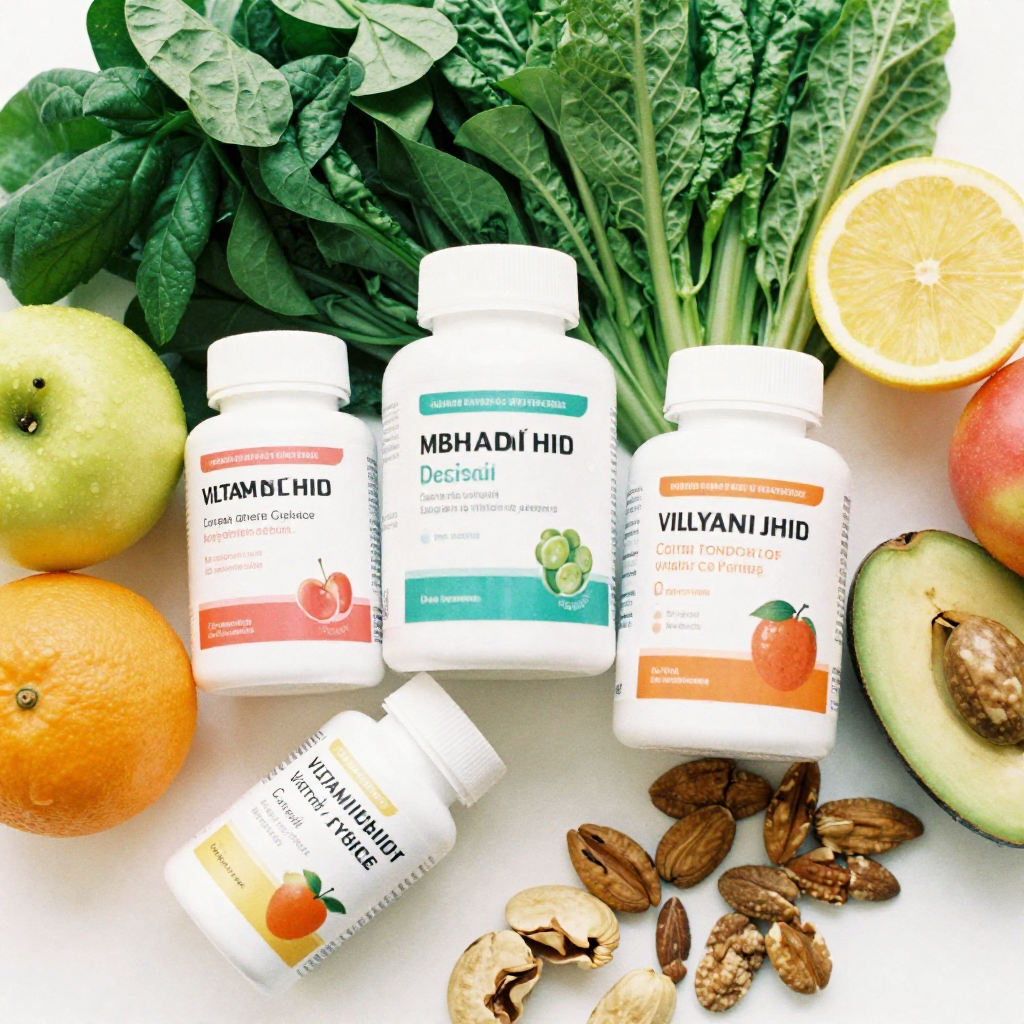
A high-quality multivitamin designed for women can help cover nutritional gaps. It should include key vitamins such as D, B complex, C, iron, and magnesium in balanced amounts.
Multivitamins are not a replacement for healthy food, but they can support overall wellness when used wisely.
Before choosing a supplement, it is best to review the label and consult a healthcare professional if needed.
Lifestyle Factors That Affect Vitamin Needs
Your vitamin needs are influenced by:
-
Stress levels
-
Sleep quality
-
Physical activity
-
Diet choices
-
Hormonal health
Women who exercise frequently, follow restrictive diets, or experience high stress may require additional nutritional support.
Listening to your body is essential. Fatigue, hair thinning, brittle nails, or frequent illness can be signs of nutrient deficiency.
Natural Food Sources vs Supplements
Whole foods provide vitamins along with fiber, antioxidants, and other beneficial compounds. Supplements offer convenience and consistency.
The best approach is a combination of both. A balanced diet should always come first, with supplements filling specific gaps when necessary.
Common Mistakes Women Make with Vitamins
Many women assume more is better. This is not always true. Taking excessive supplements may cause imbalance or unwanted side effects.
Another mistake is ignoring absorption. Some vitamins require fat or other nutrients to be absorbed properly.
Consistency also matters. Vitamins work best when taken regularly as part of a healthy routine.
How to Choose the Right Vitamins for Female in 20s
When selecting vitamins:
-
Look for products designed for women
-
Avoid unnecessary fillers
-
Check dosage levels
-
Choose trusted brands
-
Match supplements to your lifestyle and diet
Quality matters more than quantity.
Also Read: Alpha Lipoic Acid Acne: A Science-Backed Approach to Clearer Skin
FAQs
Why are vitamins important for women in their 20s?
Vitamins support energy, hormone balance, bone strength, immunity, and skin health during a critical development phase.
Can I get all vitamins from food alone?
A balanced diet can provide many nutrients, but lifestyle factors may make supplements helpful for some women.
Is vitamin D necessary even if I feel healthy?
Yes, vitamin D deficiency is common and may not show symptoms immediately.
Should women in their 20s take iron supplements?
Only if needed. Iron levels vary, and excess iron can be harmful.
Are multivitamins safe for daily use?
High-quality multivitamins are generally safe when taken as directed.
When is the best time to take vitamins?
Most vitamins are best taken with food for better absorption, but instructions may vary.
Conclusion
Choosing the right vitamins for female in 20s is an investment in long-term health. This decade sets the foundation for strong bones, balanced hormones, glowing skin, and lasting energy.
By combining a nutrient-rich diet, mindful supplementation, and healthy lifestyle habits, women can support their bodies through every challenge and opportunity their 20s bring.
Smart nutrition today builds confidence, strength, and wellness for years to come.