
Acne is a persistent skin concern that affects people of all ages. In recent years, alpha lipoic acid acne treatments have gained attention for their antioxidant and anti-inflammatory properties. This naturally occurring compound, already respected in medical and nutritional science, is now being explored as a supportive option for acne-prone skin.
Unlike harsh topical treatments, alpha lipoic acid works at the cellular level. As a result, it addresses several underlying factors that contribute to acne. These include inflammation, oxidative stress, and impaired skin repair. Because of this, many dermatology experts consider it a promising addition to modern skincare routines.
This article explores how alpha lipoic acid works, why it matters for acne, and how it can be used safely and effectively.
Understanding Alpha Lipoic Acid and Its Role in Skin Health
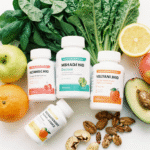
Alpha lipoic acid is a naturally occurring antioxidant found in the body. It also exists in foods such as spinach, broccoli, and organ meats. What makes it unique is its ability to function in both water and fat environments. This allows it to penetrate skin layers more effectively than many other antioxidants.
In skin health, antioxidants play a crucial role. They neutralize free radicals that damage skin cells and trigger inflammation. Since acne is often worsened by oxidative stress, alpha lipoic acid offers a logical benefit.
Moreover, alpha lipoic acid supports cellular energy production. Healthy skin cells regenerate faster, which helps repair acne-damaged tissue. Over time, this may improve texture, tone, and overall clarity.
How Alpha Lipoic Acid Acne Treatment Works
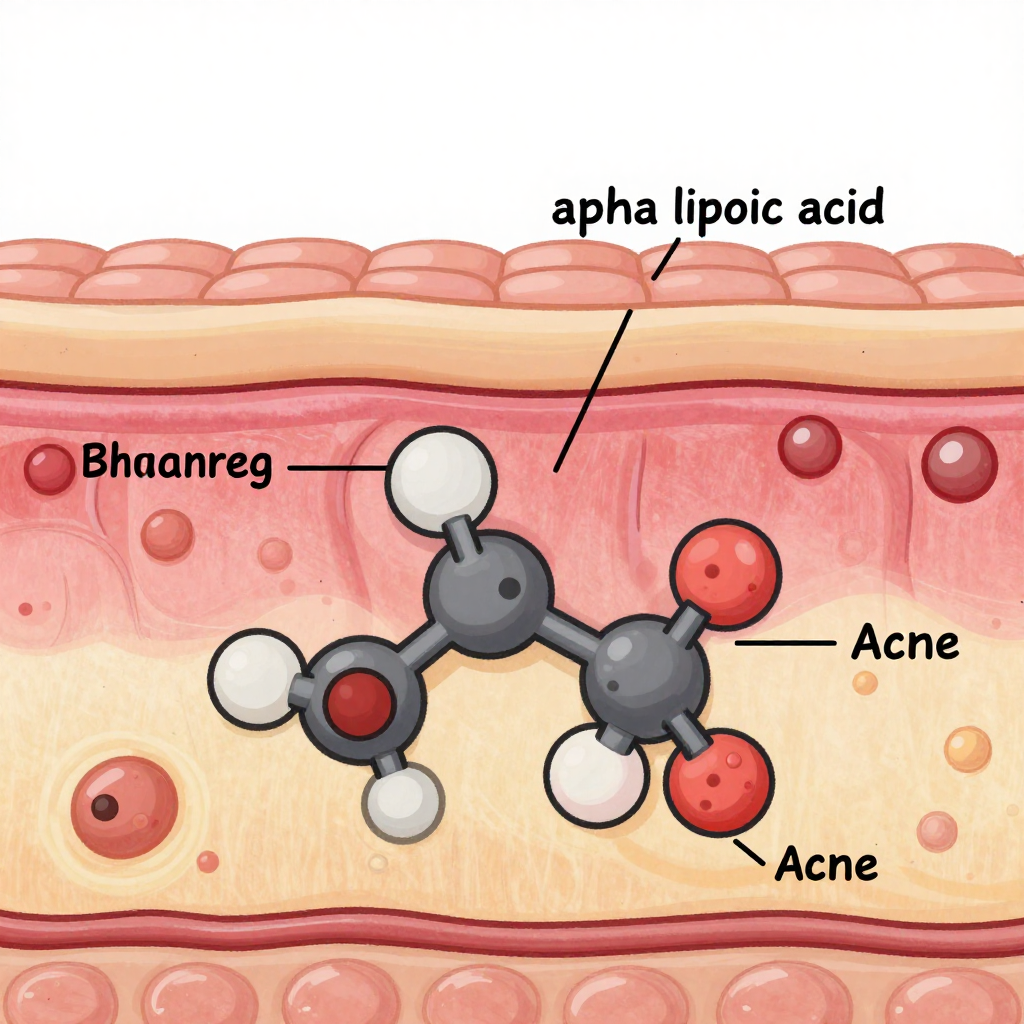
The effectiveness of alpha lipoic acid acne solutions lies in their multi-functional action. Rather than targeting acne from only one angle, this compound addresses several contributing factors at once.
Reduces Inflammation
Inflammation is a key driver of acne. Alpha lipoic acid helps calm inflammatory responses in the skin. As a result, redness and swelling around active breakouts may decrease.
Fights Oxidative Stress
Pollution, stress, and UV exposure increase free radical damage. Alpha lipoic acid neutralizes these harmful molecules. This reduces irritation that can trigger or worsen acne.
Supports Skin Barrier Repair
A damaged skin barrier often leads to increased breakouts. Alpha lipoic acid strengthens the skin’s natural defense system. Consequently, moisture balance improves and sensitivity decreases.
Helps Control Oil Activity
Although not a drying agent, alpha lipoic acid can help regulate oil behavior. Balanced oil production means fewer clogged pores over time.
Scientific Evidence Supporting Alpha Lipoic Acid for Acne
Clinical interest in alpha lipoic acid has grown steadily. Several dermatological studies suggest that topical antioxidants improve acne severity when used consistently.
Research indicates that alpha lipoic acid enhances insulin sensitivity and reduces glycation. These processes are indirectly linked to acne development, especially hormonal acne. Improved metabolic balance may lead to fewer inflammatory breakouts.
Additionally, studies on aging skin show improved texture and reduced fine lines with alpha lipoic acid use. These same skin-repair mechanisms are beneficial for acne scars and post-inflammatory marks.
While alpha lipoic acid is not a cure, evidence supports its role as an effective supportive treatment.
Topical vs Oral Alpha Lipoic Acid for Acne
Alpha lipoic acid is available in both topical skincare products and oral supplements. Each form serves a different purpose.
Topical Alpha Lipoic Acid
Topical application delivers the compound directly to the skin. Serums and creams often combine alpha lipoic acid with other calming ingredients. This approach is ideal for reducing surface inflammation and improving skin texture.
Oral Alpha Lipoic Acid
Oral supplements work internally. They support metabolic health, inflammation control, and antioxidant defense throughout the body. For individuals with acne linked to insulin resistance or systemic inflammation, oral supplementation may be helpful.
However, supplements should only be used under medical guidance.
How to Use Alpha Lipoic Acid Safely for Acne
Using alpha lipoic acid correctly is essential. Although generally safe, improper use can cause irritation.
Start with a low concentration when using topical products. Apply once daily and observe how your skin responds. Gradually increase frequency if no irritation occurs.
For oral supplements, dosage varies based on individual health needs. Consulting a healthcare provider is strongly recommended.
Always perform a patch test before introducing new skincare products. This reduces the risk of adverse reactions.
Who Can Benefit Most from Alpha Lipoic Acid Acne Care
Alpha lipoic acid is suitable for many skin types. However, certain individuals may benefit more than others.
People with inflammatory acne often see noticeable improvements. Those with acne scars or uneven texture may also benefit due to improved skin regeneration.
Individuals with sensitive skin should proceed cautiously. Although alpha lipoic acid is gentle, it is still a potent antioxidant.
Pregnant or breastfeeding individuals should seek medical advice before use.
Combining Alpha Lipoic Acid with Other Acne Treatments
Alpha lipoic acid works well alongside other evidence-based acne treatments. It complements ingredients like niacinamide, salicylic acid, and zinc.
However, combining it with strong exfoliants or retinoids should be done carefully. Overloading the skin can lead to irritation.
A balanced routine focused on gentle cleansing, hydration, and targeted treatment produces the best results.
Potential Side Effects and Precautions
Most users tolerate alpha lipoic acid well. Mild tingling or redness may occur initially. These effects usually subside with continued use.
Overuse may disrupt the skin barrier. Therefore, moderation is essential.
If severe irritation occurs, discontinue use and consult a dermatologist.
Also Read: Amitriptyline: Uses, Benefits, Dosage, and Side Effects
FAQs
Can alpha lipoic acid cure acne?
Alpha lipoic acid does not cure acne. However, it can significantly reduce inflammation and support clearer skin when used consistently.
Is alpha lipoic acid suitable for oily skin?
Yes, it is suitable for oily skin. It helps balance oil activity without drying the skin.
How long does it take to see results?
Visible improvements may appear within four to eight weeks of regular use, depending on skin type and severity.
Can alpha lipoic acid help acne scars?
Yes, it supports skin regeneration and may improve the appearance of acne scars over time.
Is alpha lipoic acid safe for daily use?
Topical products are generally safe for daily use when formulated correctly and used as directed.
Can alpha lipoic acid be used with retinol?
It can be used cautiously. Applying them at different times of day helps reduce irritation risk.
Conclusion
The growing interest in alpha lipoic acid acne solutions is supported by science and dermatological experience. Its antioxidant strength, anti-inflammatory effects, and skin-repair benefits make it a valuable addition to acne care routines.
While it is not a standalone cure, alpha lipoic acid enhances overall skin health. When used correctly and consistently, it supports clearer, calmer, and more resilient skin.
For individuals seeking a gentle yet effective acne support ingredient, alpha lipoic acid is a promising option grounded in both research and real-world results.