
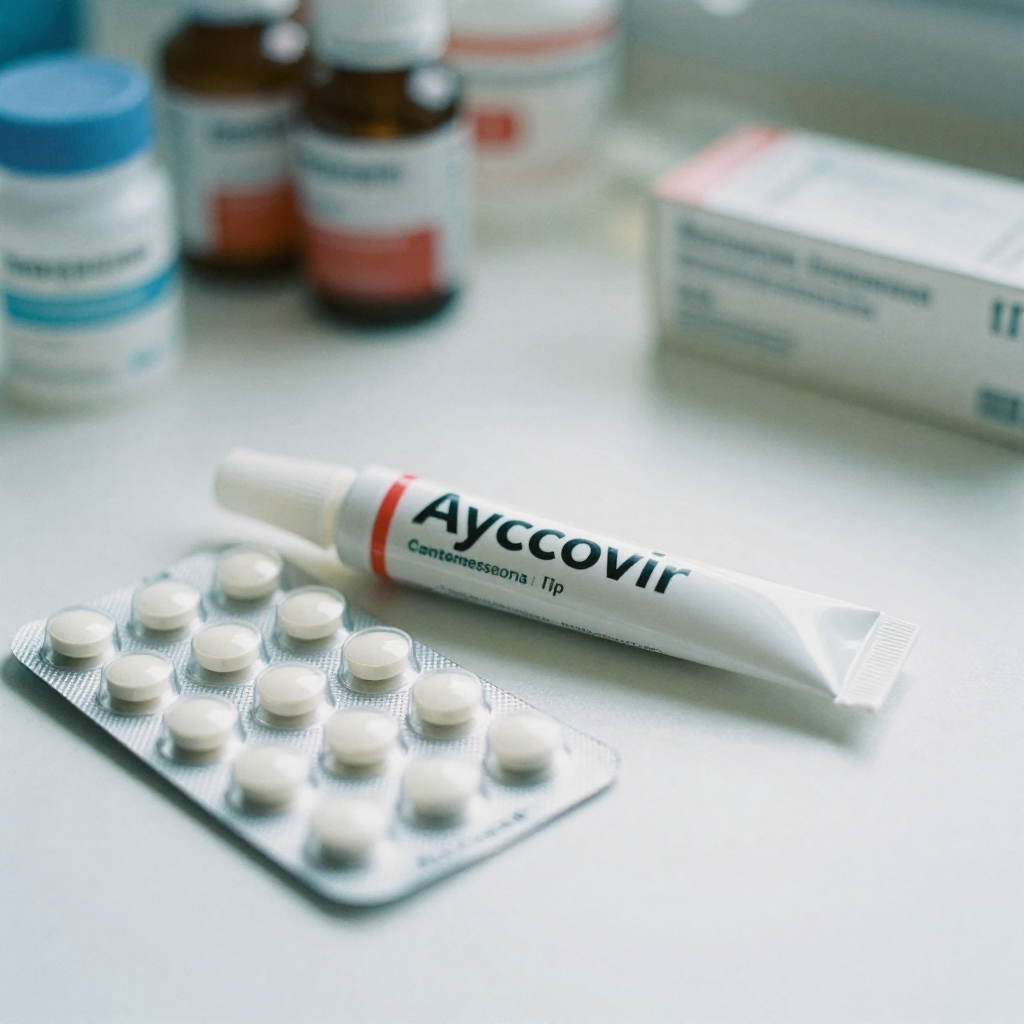

Acyclovir is a widely used antiviral medication that plays an important role in treating viral infections caused by the herpes virus family. It has been prescribed for decades and is considered both effective and reliable when used correctly. Because viral infections can be painful, recurring, and emotionally stressful, Acyclovir offers much-needed relief and control for many patients worldwide.
This medication does not cure viral infections permanently. However, it significantly reduces symptoms, shortens healing time, and lowers the risk of spreading the virus to others. Due to its proven effectiveness and safety record, Acyclovir remains a cornerstone in antiviral therapy.
What Is Acyclovir?
Acyclovir is an antiviral drug primarily used to treat infections caused by herpes simplex virus type one and two, as well as varicella-zoster virus. These viruses are responsible for conditions such as cold sores, genital herpes, shingles, and chickenpox.
Unlike antibiotics, which work against bacteria, Acyclovir targets viruses by stopping their ability to multiply. It interferes with viral DNA replication, which helps control the infection and allows the immune system to respond more effectively.
Acyclovir is available in several forms, including oral tablets, capsules, liquid suspension, topical cream, and intravenous injections. The form prescribed depends on the type and severity of the infection.
How Acyclovir Works in the Body
Acyclovir works by blocking an enzyme that viruses need to reproduce. Once inside infected cells, the medication becomes active and stops the virus from making copies of itself. As a result, the spread of the virus slows down, symptoms become milder, and healing occurs faster.
Healthy cells are mostly unaffected because the drug is activated mainly inside virus-infected cells. This targeted action is one reason why Acyclovir is generally well tolerated when taken as prescribed.
Uses of Acyclovir
Acyclovir is prescribed for several viral conditions, making it a versatile antiviral medication.
Treatment of Cold Sores
Cold sores, also known as oral herpes, commonly appear around the lips and mouth. Acyclovir helps reduce pain, swelling, and healing time when taken at the first sign of symptoms.
Management of Genital Herpes
For genital herpes, Acyclovir reduces the severity and duration of outbreaks. It is also used as suppressive therapy to reduce the frequency of future outbreaks and lower the risk of transmission.
Shingles Treatment
Shingles is caused by the reactivation of the chickenpox virus. Acyclovir helps relieve pain, speeds up healing, and reduces the risk of complications, especially when started early.
Chickenpox in Children and Adults
In certain cases, Acyclovir may be prescribed to treat chickenpox, particularly in adults or individuals with weakened immune systems.
Dosage and Administration of Acyclovir
The dosage of Acyclovir depends on the type of infection, the patient’s age, kidney function, and overall health. Doctors carefully determine the correct dose to ensure maximum benefit with minimal risk.
Acyclovir is often taken multiple times a day because the drug stays in the body for a limited period. It is important to complete the full course of treatment, even if symptoms improve early.
Patients should drink plenty of water while taking Acyclovir, as this helps the kidneys process the medication efficiently.
Benefits of Acyclovir
Acyclovir provides several important benefits for patients dealing with viral infections.
It reduces pain and discomfort caused by active outbreaks
It shortens the duration of symptoms
It lowers the risk of complications
It decreases viral shedding and transmission
It improves overall quality of life for people with recurrent infections
Because of these benefits, Acyclovir remains one of the most trusted antiviral medications worldwide.
Side Effects of Acyclovir
Most people tolerate Acyclovir well, but like any medication, it may cause side effects in some individuals.
Common Side Effects
Nausea
Diarrhea
Headache
Dizziness
Fatigue
These side effects are usually mild and temporary.
Rare but Serious Side Effects
In rare cases, Acyclovir may cause kidney problems, confusion, or severe allergic reactions. These are more likely to occur in people with existing kidney disease or those receiving high doses intravenously.
Patients should contact a healthcare provider immediately if they experience unusual symptoms.
Precautions and Warnings
Before taking Acyclovir, patients should inform their doctor about any existing medical conditions, especially kidney disease or immune system disorders. Pregnant or breastfeeding individuals should also seek medical advice before use.
Acyclovir does not prevent the spread of herpes completely. Safe practices and medical guidance remain important, even during treatment.
Acyclovir and Drug Interactions
Acyclovir may interact with other medications that affect kidney function. Patients should always provide a full list of medications and supplements to their healthcare provider to avoid potential interactions.
Importance of Early Treatment
Starting Acyclovir at the earliest sign of symptoms leads to better results. Early treatment helps reduce viral activity before it spreads extensively, leading to faster healing and less discomfort.
For individuals with frequent outbreaks, long-term suppressive therapy may be recommended to maintain control over symptoms.
Also Read:Probiotics and Blood Thinners: Is It Safe to Combine with Eliquis
FAQs
What is Acyclovir mainly used for?
Acyclovir is mainly used to treat herpes virus infections such as cold sores, genital herpes, shingles, and chickenpox.
Can Acyclovir cure herpes permanently?
No, Acyclovir does not cure herpes permanently. It helps control symptoms and reduce outbreaks but does not eliminate the virus from the body.
How long does Acyclovir take to work?
Many people notice improvement within two to three days, especially when treatment starts early.
Is Acyclovir safe for long-term use?
Yes, Acyclovir is considered safe for long-term use when prescribed and monitored by a healthcare professional.
Can Acyclovir prevent transmission?
Acyclovir reduces viral shedding and lowers the risk of transmission, but it does not eliminate the risk completely.
Should Acyclovir be taken with food?
Acyclovir can be taken with or without food. Drinking plenty of water is recommended.
Conclusion
Acyclovir remains one of the most effective and trusted antiviral medications for managing herpes-related infections. Its ability to reduce symptoms, shorten healing time, and improve quality of life makes it a valuable treatment option for millions of patients.
When used responsibly and under medical guidance, Acyclovir offers reliable protection against painful viral outbreaks. Early treatment, proper dosage, and adherence to medical advice are key to achieving the best possible outcomes.